
Views: 0 Author: Site Editor Publish Time: 2025-11-07 Origin: Site
In the publishing and printing industry, one of the most common debates centers around the durability of soft cover book solutions compared to hard covers. For decades, hard cover books have been synonymous with prestige, longevity, and quality—often reserved for collector’s editions, textbooks, or library volumes. Meanwhile, soft cover books, or paperbacks, have traditionally been considered more affordable but less durable.
However, advancements in printing technologies, binding techniques, and material innovations have significantly transformed soft cover book production. Today’s soft cover book solutions are not only lightweight and cost-effective but also remarkably long-lasting. This article explores how modern soft cover books are engineered for durability, what factors influence their lifespan, and how they compare to traditional hard covers in both performance and practicality.
To understand the durability of soft cover book solutions, it’s essential to first distinguish them from hard cover counterparts.
Hard cover books feature rigid boards—typically made from thick cardboard or binder’s board—covered with fabric, leather, or heavy paper. They provide strong protection against bending and external impact. The pages are often sewn or glued into a reinforced spine, offering superior longevity but also higher production costs.
Soft cover books, on the other hand, use flexible yet durable paper or laminated cardstock as the outer cover. They are bound using modern methods such as perfect binding, PUR binding, or sewn binding, which create a clean, professional appearance without sacrificing strength. Soft covers are easier to handle, lighter to ship, and quicker to produce—making them a popular choice for novels, manuals, catalogs, and educational materials.
While hard covers excel in structural rigidity, modern soft cover books have evolved to achieve impressive durability through technological innovation.
The longevity of any book largely depends on the materials used in its construction. Soft cover book solutions today incorporate advanced materials designed to withstand wear, handling, and environmental exposure.
High-quality coated or laminated cover stock is a game-changer. Using UV coating, matte lamination, or gloss lamination enhances surface durability, making soft covers resistant to scratches, moisture, and fading. These protective coatings also strengthen the cover’s fibers, helping the book maintain its form even after extensive use.
Traditional hot-melt glues used in early paperbacks often became brittle over time, leading to loose or detached pages. Modern soft cover books now use Polyurethane Reactive (PUR) adhesives, which offer exceptional flexibility and long-term bond strength. PUR binding remains stable under temperature fluctuations and can endure repeated bending without cracking—giving soft cover books a longer life span similar to hard covers.
The type of interior paper also affects longevity. Acid-free paper resists yellowing and degradation over time, while heavier paper stocks (100–130 gsm) add structure and stability to the pages. Combined with quality inks that resist smudging or fading, today’s soft cover books are designed to endure years of handling.
Modern digital and offset printing technologies have dramatically improved the precision and finish quality of soft cover books. Advanced presses ensure consistent ink density, sharper imagery, and controlled drying processes—reducing the risk of color fading or page warping over time.
Moreover, automated trimming, scoring, and folding systems prevent misalignments and weak folds, creating cleaner edges that resist tearing. These technological enhancements make soft cover book solutions not only visually appealing but also structurally resilient, capable of withstanding heavy usage in retail, education, and corporate environments.
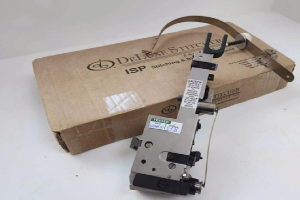
One of the most significant advancements contributing to the longevity of soft cover book solutions lies in modern binding technology. Innovative binding techniques not only improve the book’s structural strength but also enhance user experience, allowing soft cover books to withstand extensive handling while maintaining a professional appearance.
Perfect Binding
Perfect binding remains one of the most widely used methods for soft cover books. It uses high-strength adhesives to attach individual pages securely to the spine, creating a clean, polished edge. When combined with PUR (Polyurethane Reactive) glue, the spine gains exceptional flexibility and resistance to cracking. This ensures the book can be opened and read repeatedly without pages loosening or detaching—a key factor in long-term durability.
Sewn Binding (Smyth Sewn)
For premium-quality books, sewn binding provides unmatched strength and stability. In this method, pages are grouped into sections and stitched together before being glued to the cover. The result is a soft cover book that opens completely flat without straining the spine, making it ideal for reference materials, academic texts, and manuals that demand frequent use.
Lay-Flat Binding
Lay-flat binding is designed for thick or high-usage publications, combining flexibility with durability. It minimizes stress on the spine, preventing warping and ensuring that pages remain securely intact even after heavy handling.
By carefully choosing the right binding method according to the book’s function, publishers can produce soft cover books that rival—or even surpass—the durability of many hard cover editions
Publishers and printing houses often perform mechanical stress tests to evaluate the longevity of soft cover books. These tests simulate conditions such as page turning, spine bending, and environmental exposure.
In recent years, results have shown that high-quality soft cover books can last 10–20 years or longer, depending on handling and storage. Books with PUR binding and laminated covers maintain their structure even after thousands of page turns. When stored properly—away from direct sunlight and excessive humidity—they can easily match the lifespan of hard covers used in similar environments.
While durability is a major consideration, soft cover book solutions offer several additional benefits that make them an attractive alternative to hard covers:
Soft cover books are easier to carry, making them ideal for travel, students, or readers on the go.
They require fewer materials and faster binding processes, significantly reducing production and shipping costs without sacrificing quality.
With automated production lines and digital printing, soft cover books can be produced in smaller batches quickly—perfect for on-demand publishing or seasonal product catalogs.
Soft cover books typically use less material and energy to produce, aligning with eco-conscious printing practices. Many printers now use recycled paper and soy-based inks to further minimize environmental impact.
Let’s look at a few real-world examples that demonstrate how durable modern soft cover book solutions can be:
Educational Textbooks: Many universities have transitioned from hard cover to soft cover editions due to cost efficiency and improved binding technology. These books are designed to withstand daily classroom use for years.
Corporate Manuals and Catalogs: Companies prefer soft cover options for product catalogs and training materials because they balance professional appearance with long-term usability.
Art and Photography Books: With laminated covers and high-definition printing, soft cover books can now present visual content beautifully while maintaining structural strength.
Novels and Literature: Most commercial fiction and non-fiction titles are soft cover due to portability and affordability, with modern printing ensuring their durability through repeated reading.
Even the most durable book can wear out prematurely if not handled properly. Here are a few ways to extend the lifespan of your soft cover books:
Store Vertically: Keep books upright on a shelf to prevent spine warping.
Avoid Humidity: Excessive moisture can weaken paper fibers and adhesive bonds.
Protect from Sunlight: Direct UV exposure can cause fading over time.
Use Gentle Handling: Avoid bending covers backward or pressing the spine too hard.
When maintained properly, soft cover books can remain in excellent condition for decades—comparable to hard covers under similar care.
With ongoing advancements in materials science and digital manufacturing, the gap between soft and hard cover durability continues to narrow. New eco-friendly laminates, recyclable adhesives, and hybrid binding systems are making soft cover books even more resilient.
The rise of short-run printing and print-on-demand services has also boosted the demand for high-quality soft cover solutions. These books are now the standard for many industries—offering the perfect blend of cost-effectiveness, professional presentation, and long-term usability.
So, can soft cover book solutions last as long as hard covers?
The answer is a resounding yes—when produced using modern materials, advanced adhesives, and high-quality printing technologies. With proper care and handling, soft cover books can easily withstand years of use while offering flexibility, affordability, and environmental benefits.
For businesses and publishers seeking reliable, durable, and visually appealing soft cover printing, partnering with an experienced manufacturer is essential.
To learn more about advanced Soft Cover Book Solutions, explore customization options, or find professional printing and binding services, visit www.cn-koten.com. The team at www.cn-koten.com provides cutting-edge printing equipment and tailored solutions that ensure your books not only look exceptional but also stand the test of time.


