Views: 0 Author: Site Editor Publish Time: 2026-01-12 Origin: Site
A die cutting machine is a versatile tool used to cut materials into specific shapes or patterns using a die, which is essentially a mold or template. These machines apply pressure to the material, pushing it into the die to produce precise and consistent shapes. Die cutting machines can work with a wide range of materials, including paper, cardboard, vinyl, fabric, foam, and more. They are widely used in various industries, such as packaging, arts and crafts, and manufacturing, due to their ability to produce intricate designs efficiently and accurately. In manufacturing, die cutting machines are essential for creating products like boxes, labels, and packaging components, while in design, they are used for crafting detailed shapes for scrapbooking, textiles, and card making. The precision and speed of die cutting make it a key tool for mass production, reducing waste and enhancing productivity.
The die cutting process is a method used to cut materials into precise shapes using a die, a custom mold or template. In this process, a die cutting machine applies significant pressure to a material like paper, fabric, or plastic, forcing it into the shape of the die. The material is placed on the die, and the machine's pressure is applied through rollers or a press, cutting along the die's outline. This results in a clean, accurate cut, which is crucial for producing high-quality products across industries such as packaging, crafts, and manufacturing.
There are several types of die cutting machines, including manual, digital, rotary, and flatbed machines. Each machine works differently but serves the same purpose of creating precise cuts. Manual machines require physical effort to operate, while digital machines use computer controls for more intricate designs. Rotary die cutting machines employ a rotating die to cut materials, which is ideal for high-speed production, while flatbed machines use a stationary die to cut materials in a straight line.
In die cutting, dies are essential components, as they shape the material into specific forms. A die is essentially a sharp, durable template that presses into the material to create a precise cut. Dies come in various shapes and designs, ranging from simple geometric forms to intricate, custom patterns. The die ensures consistency and accuracy, which is vital for high-volume production where uniformity is key. The choice of die—rotary, flatbed, or custom—depends on the material and design requirements.
Selecting the appropriate die is critical to achieving the desired results. The material being cut, the complexity of the design, and the scale of production will influence the choice of die. For instance, rotary dies are better suited for continuous cutting on flexible materials, while flatbed dies are ideal for cutting rigid materials in precise shapes. Custom dies are often required for intricate or specialized patterns, providing endless possibilities for design.
One of the main advantages of die cutting machines is their precision. These machines are capable of producing consistent, accurate cuts with minimal variation, ensuring high-quality results for mass production. Whether cutting intricate designs or simple shapes, die cutting machines can replicate the exact pattern multiple times without compromising on quality. This precision makes die cutting ideal for industries that require consistent results, such as packaging, manufacturing, and crafts. Additionally, die cutting machines are highly efficient, allowing businesses to cut large volumes of materials quickly and with minimal waste. The ability to achieve high precision at speed significantly boosts production efficiency and reduces costs.
Die cutting machines are incredibly versatile, able to cut a wide variety of materials, including paper, cardboard, vinyl, fabric, foam, and even metal. This flexibility makes them suitable for a broad range of industries, from packaging and graphic design to textiles and automotive manufacturing. Additionally, die cutting machines can create a wide range of designs, from simple shapes to complex, multi-layered patterns. Whether you need to create custom packaging, intricate scrapbook designs, or detailed fabric cuts, die cutting machines offer the adaptability needed to meet diverse project requirements. This versatility also extends to the type of cuts that can be made, such as perforating, scoring, kissing cutting, and through cutting, offering endless possibilities for creative and functional applications.
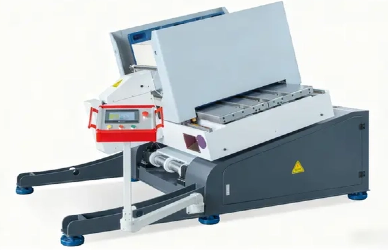
Die cutting machines are incredibly versatile and can cut through a wide range of materials, making them essential tools in various industries. Below are some of the most common materials that can be cut using die cutting machines:
Die cutting machines are most commonly used for cutting paper and cardboard. These materials are easy to handle and ideal for creating custom packaging, greeting cards, labels, and promotional materials. The precise cuts make it perfect for industries like publishing, arts and crafts, and packaging.
Vinyl is another material that die cutting machines can cut efficiently. It is often used in signage, decals, and custom designs for windows, walls, or vehicles. Die cutting allows for precise vinyl shapes and intricate designs, making it ideal for both large-scale commercial applications and personal crafting projects.
Die cutting machines are also excellent for cutting fabric, especially for textile industries, quilting, and fashion design. The machines can cut through a variety of fabric types, from cotton and felt to more delicate materials like silk. The precision and consistency in fabric cuts help streamline the production of patterns, garments, and accessories.
Die cutting machines can cut foam materials with ease, which is essential in packaging and crafting industries. Foam is often used for protective packaging, crafts, and upholstery. Die cutting provides accurate shapes and sizes, making foam cutting a quick and efficient process for custom packaging solutions or artistic projects.
In addition to paper, vinyl, fabric, and foam, die cutting machines can also handle other materials, such as leather, rubber, metal sheets, and even plastic. The ability to cut through a variety of materials opens up opportunities for die cutting applications in numerous fields, including automotive, electronics, and industrial manufacturing.
Manual die cutting machines require physical effort to operate, where the user manually presses the material into the die. In contrast, digital die cutting machines are computer-controlled, allowing for more intricate designs and faster, automated cutting processes. Digital machines can handle complex shapes and patterns without the need for physical effort, making them ideal for precise, detailed work.
Die cutting machines are versatile and can cut a wide variety of materials, including paper, cardboard, fabric, vinyl, foam, leather, rubber, and even metal sheets. This flexibility makes them suitable for use in various industries such as packaging, fashion, crafts, and manufacturing.
A rotary die cutting machine uses a rotating drum equipped with a die that continuously cuts materials as they pass through. This method is highly efficient and ideal for high-speed, mass production. The rotary motion allows for precise, consistent cuts on flexible materials, making it well-suited for applications like packaging and printing.
To keep your die cutting machine in optimal condition, it’s important to regularly clean the dies, check the alignment to ensure accurate cuts, and lubricate moving parts to reduce wear. Proper maintenance helps avoid operational issues such as misalignment or poor cuts, ensuring the machine continues to perform at its best for long-term use.
Die cutting machines offer significant advantages in mass production, such as speed, consistency, and cost-efficiency. The ability to make precise cuts rapidly helps businesses produce high volumes of products quickly, reducing labor costs and minimizing waste. This makes die cutting an essential tool for industries that require large quantities of identical products, such as packaging and automotive manufacturing.
Die cutting machines are essential tools that provide significant advantages across a wide range of industries, including packaging, crafts, textiles, automotive, and manufacturing. These machines are celebrated for their precision, allowing for consistently accurate cuts, and efficiency, enabling high-speed, large-scale production with minimal waste. Their ability to handle a broad variety of materials, such as paper, cardboard, vinyl, fabric, foam, and even metal sheets, makes them incredibly versatile for diverse applications. This versatility allows businesses to streamline operations and meet varying production demands. Furthermore, die cutting machines contribute to cost-effectiveness by reducing labor costs, cutting time, and enhancing overall productivity. With the capacity to create intricate, custom shapes, die cutting machines support both simple designs and complex patterns, offering businesses the flexibility they need to tackle a wide range of projects. Whether for high-volume manufacturing or personalized craft creations, these machines deliver reliable, high-quality results, making them an invaluable asset for operations of all sizes, from small workshops to large-scale production facilities. Their efficiency, precision, and adaptability make die cutting machines a crucial part of modern manufacturing and design processes.


 Conclusion