
Views: 0 Author: Site Editor Publish Time: 2026-01-26 Origin: Site
A knife grinding machine is an essential tool used to sharpen and maintain the edges of various blades, ensuring they remain sharp and effective for their intended tasks. Whether in industrial settings, kitchens, or gardens, sharp blades are crucial for performance and safety. Over time, knives lose their edge due to regular use, and a grinding machine helps restore their sharpness. These machines use rotating grinding wheels or belts to grind the blade, carefully removing small amounts of material to reshape the edge to its optimal sharpness. Proper blade maintenance through a grinding machine not only improves cutting efficiency but also extends the lifespan of the blade, making it a vital tool for anyone working with knives regularly.
A knife grinding machine sharpens blades by using an abrasive grinding wheel or belt to remove material from the blade’s edge. The knife is securely mounted and aligned, ensuring consistent sharpening. As the grinding wheel or belt rotates, it grinds away small amounts of material from the blade, reshaping the edge to the correct angle and sharpness. This process also eliminates burrs or imperfections along the edge, leaving a clean, sharp finish suitable for cutting tasks. The machine can adjust speed, pressure, and angle to suit the blade type for optimal results.
Surface Grinders
Surface grinders are used for flat blades. They move the knife against a rotating abrasive wheel, ensuring a smooth and uniform edge for precise sharpening.
Belt Grinders
Belt grinders use a rotating abrasive belt and are ideal for curved blades like kitchen or hunting knives. They are versatile and can handle coarse or fine sharpening.
Bench Grinders
Bench grinders are compact machines typically used for small-scale sharpening. They feature two rotating grinding wheels and are ideal for general sharpening tasks.
Cylindrical Grinders
Cylindrical grinders are designed for cylindrical objects but can be adapted for knife sharpening. The knife is placed between grinding wheels to achieve an even edge.
Grinding Wheels
The grinding wheel is one of the most important components of a knife grinding machine. It is responsible for removing material from the blade and shaping the edge. These wheels come in various materials (such as aluminum oxide, silicon carbide, or diamond) and grit sizes, depending on the type of blade and the level of sharpness required. Choosing the right grinding wheel ensures effective material removal while maintaining the blade's integrity.
Motors
The motor drives the grinding wheel, providing the necessary power and speed for sharpening. The motor's speed can vary, and some machines offer adjustable motor speeds to accommodate different blade types and materials. A powerful motor is essential for handling tougher materials and for achieving a smooth, consistent sharpening process.
Adjustable Settings
Knife grinding machines often come with adjustable settings, allowing operators to control key parameters like the angle of the blade, grinding pressure, and speed. This flexibility is essential for achieving the optimal sharpening angle and customizing the sharpening process for various knives and tools. Adjustable settings enable better precision and ensure the blade is sharpened to the exact specifications required.
Selecting the right grinding wheel is crucial for effective knife sharpening. Different materials and grit sizes of grinding wheels are designed for specific purposes. For example, a coarse-grit wheel is used for reshaping a dull or damaged edge, while a fine-grit wheel is ideal for polishing and finishing a sharp edge. The material of the grinding wheel is equally important — harder blades like ceramic or stainless steel require a more durable, harder wheel, while softer blades can be sharpened with a less aggressive wheel. Choosing the correct grinding wheel ensures optimal performance, minimizes wear on both the blade and the machine, and results in a finely sharpened edge.
Before starting, ensure both the knife and machine are ready:
Clean the Knife: Wipe away any debris or rust using a cloth, ensuring a smooth sharpening process.
Inspect the Blade: Check for chips or damage. If the blade is severely damaged, repair it before sharpening.
Set Up the Machine: Ensure the grinding wheel is properly installed and functioning. Adjust the machine settings, such as speed, pressure, and alignment.
Set the machine to suit the knife and sharpening needs:
Angle Adjustment: Set the sharpening angle based on the knife type—kitchen knives usually require a 20-degree angle, while heavy-duty knives may need a lower angle.
Speed Control: Adjust grinding speed based on the knife material—slower speeds for fine sharpening and higher speeds for tougher blades.
Pressure Settings: Apply light, consistent pressure to avoid damaging the blade or grinding wheel. Gradually increase pressure as needed.
Different knives require specific techniques:
Kitchen Knives: Use a fine-grit wheel, sharpen both sides evenly, and maintain a 20-degree angle.
Hunting and Outdoor Knives: Start with a coarser wheel to reshape the edge, then finish with a finer wheel. Use a 15-degree angle.
Serrated Knives: Use a specialized tool or fine abrasive wheel to sharpen the teeth without flattening the blade.
Precision Tools: Use a fine abrasive wheel and maintain the correct angle for delicate tools like scalpels or chisels.
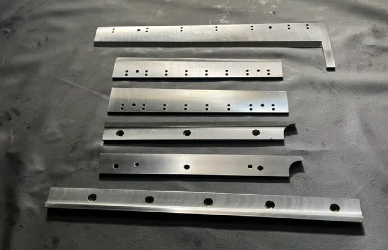
Problem: Overheating occurs when friction generates excessive heat, which can damage the blade’s temper.
Solution:
Use Cooling: Apply coolant or water to the grinding wheel to prevent heat buildup.
Reduce Pressure: Avoid excessive pressure, using light, consistent force while sharpening.
Sharpen in Intervals: Allow the blade to cool between sessions to prevent overheating.
Problem: Uneven sharpening results in a blade edge that is inconsistent along its length.
Solution:
Check Alignment: Ensure the knife is properly mounted and aligned in the machine.
Adjust Settings: Confirm the angle and pressure settings are correct. Use light, steady pressure.
Use the Right Wheel: Ensure the grinding wheel is appropriate for the blade and material.
Problem: Worn wheels are less effective, slowing down or unevenly sharpening the blade.
Solution:
Inspect and Replace: Regularly check and replace worn-out wheels.
Dress the Wheel: Use a diamond dresser to clean and shape the wheel for better performance.
Choose Proper Grit: Match the wheel's grit to the blade material for efficient sharpening.
Maintain the Machine: Regularly clean and maintain the grinding machine.
Proper Blade Handling: Ensure the knife is securely mounted and avoid excessive force.
Correct Settings: Adjust speed, angle, and pressure for the type of blade being sharpened.
Use Cooling Systems: Prevent overheating by using adequate cooling, especially for extended sessions.
To maintain the performance and longevity of your knife grinding machine, perform regular inspections. Check the condition of key components, like the grinding wheel, motor, and adjustable settings. Inspect the wheel for wear or damage, as a worn wheel can result in uneven sharpening. Regularly clean the machine to remove dust, debris, and metal filings. Ensure all parts are free from buildup, and check for loose bolts or worn parts. Proper lubrication of moving components also helps prevent unnecessary wear.
Store knives in a dry, cool place to prevent rust and damage, using protective sheaths or blocks. Similarly, store the knife grinding machine in a clean, dry environment to prevent moisture buildup, which can cause rust. When not in use, cover the machine to protect it from dust and dirt, and ensure it's kept in a stable location to avoid misalignment.
The frequency depends on usage. Regular inspection is recommended, with sharpening done when blades become dull or show signs of wear.
Different knives require specific grinding wheels based on material type (e.g., steel, ceramic). Use harder wheels for harder materials and softer wheels for more delicate knives.
Yes, most knife grinding machines are versatile and can sharpen a wide range of knives, including kitchen knives, industrial blades, and garden tools. However, some machines may require specific attachments for certain blades.
To prevent overheating, ensure proper cooling during the grinding process by using coolant or water. Also, avoid excessive pressure on the blade and grinding wheel during sharpening.
In conclusion, preventive maintenance is crucial for ensuring the longevity and optimal performance of both your knife grinding machine and the knives themselves. Regular inspection and cleaning of the machine, along with proper storage of knives and equipment, helps maintain sharpness, reduce wear, and prevent costly repairs. By taking proactive steps to care for both the blades and the grinding machine, you can ensure consistent, high-quality sharpening results and prolong the lifespan of your tools, improving efficiency and productivity in the long run.


