
Views: 0 Author: Site Editor Publish Time: 2026-03-25 Origin: Site
Production problems in notebook manufacturing rarely appear suddenly. Most issues grow slowly from small operational mistakes, neglected maintenance routines, or overlooked safety details. Factories that produce school notebooks every day understand that consistent output depends not only on machine speed but also on disciplined operation and proper care. This is why understanding Exercise Book Making Solutions from a practical operational perspective is essential. When manufacturers and operators recognize the key precautions involved in running these systems, they can protect product quality, maintain production stability, and ensure that equipment performs reliably over many years of operation.
Exercise book manufacturing often involves producing thousands of notebooks in a single production run. Because of this scale, even small mistakes can quickly multiply into large problems. A slight misalignment in paper feeding or a minor adjustment error in stitching can lead to hundreds of defective books before the issue is detected.
Careful operation helps prevent these situations. Operators who follow proper procedures ensure that each stage of production begins under stable conditions. By maintaining attention to detail, factories can avoid waste, maintain consistent quality, and reduce the cost associated with defective products.
Unexpected machine downtime rarely occurs without warning. Many production interruptions begin with small issues such as worn rollers, loose belts, or dust accumulation around feeding systems. If these minor problems are ignored, they can eventually stop the entire production line.
Regular inspection routines allow operators to detect potential issues before they develop into larger failures. By monitoring machine performance carefully, factories can maintain continuous production and reduce costly downtime.
Consistent production requires more than advanced machinery. It requires disciplined operational habits. Operators who follow established procedures for setup, monitoring, and maintenance help ensure that every production run begins under optimal conditions.
Routine discipline also improves cooperation between machine operators and maintenance teams. When everyone understands the importance of daily checks and preventive maintenance, the entire production system becomes more reliable.
Before starting an exercise book production line, operators should confirm that all materials meet the required specifications. Writing paper thickness, cover stock weight, and stitching wire diameter must match the machine configuration.
If materials vary from expected specifications, the equipment may require adjustment before production begins. Ensuring material consistency helps prevent feeding problems, stitching errors, and trimming irregularities later in the process.
Production settings must also be verified before starting the line. Operators should check that machine parameters correspond to the notebook format being produced. This includes page count, book size, and stitching positions.
Incorrect settings can cause problems throughout the production process. Verifying these parameters before production begins reduces the likelihood of large batches of defective notebooks.
A quick visual inspection of mechanical components is another important precaution. Operators should check belts, rollers, and feeding systems for signs of wear or misalignment.
These components play a critical role in guiding paper through the machine. Ensuring that they are clean and properly aligned helps maintain smooth material flow and prevents production interruptions.
Once the production line is running, operators should monitor how paper moves through the feeding system. Smooth feeding ensures that sheets enter the machine at the correct position and timing.
Misaligned sheets can cause folding problems or inaccurate stitching placement. Observing feeding consistency allows operators to adjust settings before errors affect large quantities of books.
Machines often signal potential problems through unusual sounds or vibrations. Operators who are familiar with normal machine behavior can quickly detect these warning signs.
Paper jams, irregular vibration, or sudden noise changes should never be ignored. Stopping the machine to inspect the issue may prevent more serious mechanical damage.
Exercise book production involves high-speed mechanical movement. Stitching heads, folding mechanisms, and cutting units operate rapidly during production.
Operators must maintain safe working distance from these areas at all times. Following safety guidelines protects workers and prevents accidental injuries during machine operation.
Accurate page counting is essential in exercise book production. Each notebook must contain the correct number of pages to meet customer expectations.
Operators should monitor counting systems regularly during production. If irregularities appear, adjustments should be made immediately before large quantities of books are affected.
The stitching and folding stage determines how securely the pages are bound together. Incorrect stitch placement can weaken the notebook spine and reduce product durability.
Operators should periodically inspect sample books from the production line to verify stitching accuracy. Consistent monitoring helps ensure that every notebook meets quality standards.
Trimming equipment determines the final appearance of the exercise book. Uneven edges or incorrect cutting dimensions can affect the overall presentation of the product.
Before continuing large production batches, operators should confirm that trimming blades are functioning properly and producing clean cuts. Early inspection prevents large quantities of poorly finished notebooks.
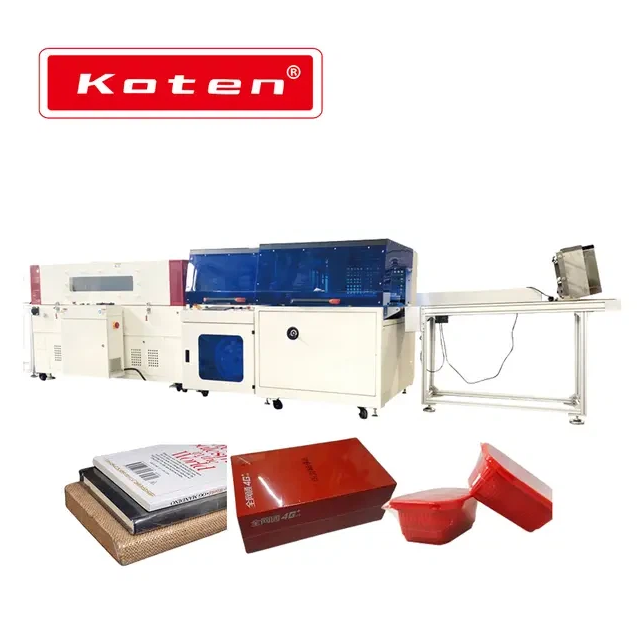
Paper dust is an unavoidable byproduct of notebook manufacturing. Over time, this dust can accumulate in machine components and interfere with smooth operation.
Cleaning the machine at the end of each production day helps remove dust and paper scraps that could cause feeding problems or mechanical wear. This simple maintenance step greatly improves equipment reliability.
Moving parts within the production system require regular lubrication to reduce friction and prevent premature wear. Operators should follow scheduled lubrication routines recommended for the equipment.
Regular lubrication keeps mechanical components functioning smoothly and extends the lifespan of the machinery.
Routine cleaning and inspection reduce the likelihood of paper jams and feeding irregularities. Machines that remain clean and properly maintained operate more smoothly and require fewer emergency repairs.
Daily maintenance also helps technicians identify worn components early, allowing them to replace parts before they fail.
Safety procedures should always be followed when performing machine maintenance. Power must be turned off before cleaning internal components or adjusting mechanical parts.
Disconnecting power eliminates the risk of accidental machine movement during maintenance tasks.
High-speed machinery includes many moving components that can present safety risks if not properly guarded. Protective covers and safety barriers help prevent accidental contact with moving parts.
Maintaining these protective systems is an essential part of safe production operation.
Even well-designed equipment requires properly trained operators. Workers must understand machine functions, safety procedures, and maintenance requirements.
Training programs ensure that operators know how to respond to potential issues quickly and safely.
When evaluating production equipment, buyers should consider how easily maintenance tasks can be performed. Machines designed with accessible service points allow technicians to perform inspections and repairs quickly.
This design feature reduces downtime and simplifies routine maintenance procedures.
Another important consideration is the availability of replacement parts. Reliable access to spare components ensures that machines can be repaired promptly when necessary.
Understanding typical replacement cycles also helps factories plan maintenance schedules effectively.
Technical support from equipment providers plays an important role in long-term production success. Clear operational guidance helps operators maintain stable machine performance and troubleshoot potential issues.
Comprehensive technical documentation and training resources support smooth production operations.
Well-designed production solutions connect multiple machine stages into a coordinated workflow. By reducing manual material transfers, these systems minimize the risk of handling errors.
Integrated production also allows machines to operate at synchronized speeds, improving overall efficiency.
Production systems with intuitive control interfaces allow operators to adjust settings quickly and accurately. Clear control logic reduces confusion during machine setup and helps maintain consistent product quality.
Factories that use coordinated production systems often experience fewer operational disruptions. When machines are designed to work together, workflow becomes smoother and easier to manage.
These advantages make daily production more predictable and efficient.
Precaution Area | What to Check | Common Risk | Production Impact |
Material inspection | Paper and cover specifications | Feeding problems | Product defects |
Machine setup | Size and stitching settings | Misaligned notebooks | Waste production |
Daily cleaning | Dust and scraps removal | Paper jams | Production interruption |
Mechanical inspection | Belts and rollers condition | Equipment failure | Downtime |
Safety procedures | Power-off before service | Worker injury | Production shutdown |
Reliable notebook manufacturing depends on more than machine performance alone. The most effective exercise book production systems are supported by disciplined operation, regular maintenance routines, and strong safety awareness. When manufacturers follow these precautions, they protect product quality, extend equipment lifespan, and ensure that daily production runs smoothly without unnecessary interruptions.
Koten Machinery has specialized in printing and packaging machinery manufacturing since 2005 and provides complete solutions for notebook production, post press equipment, and paper converting systems. Our exercise book production solutions are designed to support stable workflow, efficient operation, and reliable long-term performance.
If you are planning to establish or improve your notebook production line, contact Koten Machinery to learn more about our integrated exercise book manufacturing solutions and how they can support your production goals.
Operators should check material specifications, verify machine settings, inspect mechanical components, and follow safety procedures before starting production.
Routine maintenance prevents mechanical wear, reduces paper jams, and ensures that machines operate smoothly throughout long production cycles.
Monitoring page counting accuracy, stitching alignment, and trimming quality during production helps prevent defects before large batches are completed.
Yes. Even automated systems contain moving components that require proper safety precautions and trained operators to ensure safe operation.


