Views: 0 Author: Site Editor Publish Time: 2025-11-21 Origin: Site
Die cutting machines are essential tools used in various industries to cut, shape, and form materials with precision. These machines utilize a die (a specialized cutting tool) to create uniform shapes from materials like paper, cardboard, rubber, foam, metal, fabric, and more. Whether you're in manufacturing, packaging, automotive, or even crafting, die cutting machines provide an efficient and cost-effective way to produce high-quality, consistent parts or designs. In this article, we'll explore what die cutting machines are, how they work, the different types, their applications, and what to consider when purchasing one. For those in the market, we'll also discuss where to find die cutting machines for sale.
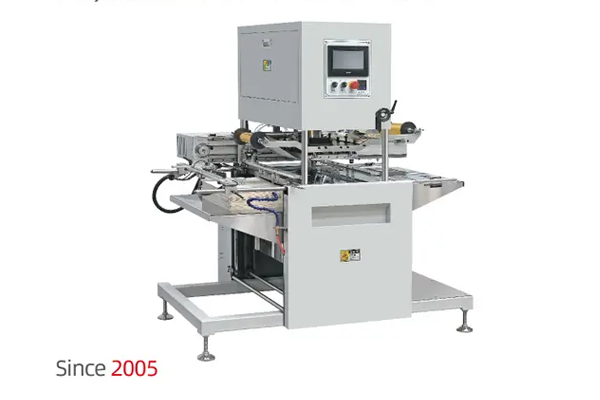
A die cutting machine is a machine that uses a die—a shaped, sharp tool—to cut, shape, or form materials with precision. The die is applied to the material, and pressure is exerted to cut out a specific shape or design. The machine can be used on a wide variety of materials, including paper, plastic, metal, rubber, fabric, and more.
The process can involve simple cuts, intricate patterns, or even embossing, and it is typically used in industries that require high-volume production of uniform shapes. Die cutting is commonly used in packaging, automotive manufacturing, textiles, and even in the crafting world for making customized items like greeting cards, decorations, or stencils.
Die cutting machines operate through a simple yet effective process that involves the following steps:
Design and Die Creation: First, the design or shape is created digitally or manually. A die (or tool) is then made to match this shape. The die can be flat or rotary, depending on the machine and application.
Loading the Material: The material to be cut (e.g., paper, rubber, fabric) is placed on the machine’s bed. It’s important that the material is properly aligned to ensure accurate cuts.
Cutting Process: The die is pressed onto the material using force. The pressure of the die cutting machine forces the die to cut the material in the exact shape. This action is either done manually (for smaller machines) or automatically (in large, industrial machines).
Waste Removal: After the material has been cut, any excess or waste material (also known as “scraps”) is removed. In the case of rotary die cutting, this often involves a continuous roll of material being fed through the machine.
The result is precise, uniform pieces ready for assembly or packaging. This makes die cutting machines indispensable in industries where precision, speed, and repeatability are critical.
There are several types of die cutting machines, each designed to meet different production needs. Below are the most common types:
Flatbed die cutting machines are used for cutting thicker materials, and they are ideal for short production runs. The material is placed on a flat bed, and the die is pressed onto it to cut the shape. These machines can handle a wide variety of materials, from thick cardboard to rubber.
Rotary die cutting machines use a cylindrical die, which rotates as it presses onto the material. These machines are suitable for high-speed, continuous production and are commonly used for cutting flexible materials like labels, packaging, and even textiles.
Laser cutting uses a high-powered laser to cut through material, providing the highest level of precision and detail. This method is ideal for intricate designs and can cut through various materials, including metals and plastics. However, it’s slower compared to mechanical die cutting methods and is best used for specialized tasks.
Manual die cutting machines are smaller, more compact units that allow users to cut materials by hand. These are often used for crafts, such as scrapbooking or card-making, where smaller batches and flexibility are needed.
For larger-scale production, automatic or semi-automatic machines may be a better fit, offering faster speeds and more advanced features.
Die cutting machines have a wide range of applications across several industries. Here are some of the most common uses:
Die cutting machines are widely used in the packaging industry to produce boxes, cartons, and custom-shaped containers. They also create labels for products, ensuring that companies can brand their products with high-quality designs.
In the automotive industry, die cutting machines are used to produce gaskets, seals, and other rubber or foam components that are essential for vehicle assembly. These machines ensure that parts fit perfectly, which is critical in manufacturing for safety and performance.
Die cutting is frequently used in the textile industry for cutting fabric into specific shapes, such as appliqués or patterns for clothing. It is also used to create stencils for printing or embossing patterns onto fabric.
Die cutting is very popular among hobbyists, particularly in paper crafting, scrapbooking, and card-making. Small die cutting machines are available for personal use, allowing crafters to create intricate designs quickly and easily.
Using die cutting machines offers several key advantages:
Precision and Consistency: Die cutting ensures that each piece is identical, making it ideal for high-volume production.
Speed and Efficiency: Die cutting machines can process large amounts of material quickly, increasing productivity and reducing lead time.
Versatility: These machines can cut a wide variety of materials, making them suitable for a diverse range of industries, from automotive to fashion to packaging.
Cost-Effectiveness: For high-volume production, die cutting is an efficient method that reduces waste and ensures minimal error, resulting in lower production costs.
When looking for die cutting machines for sale, there are a few key factors to consider:
Ensure the machine you choose can handle the types of materials you intend to cut. Different machines are designed to work with various materials, such as paper, metal, or fabric.
Consider whether you need a machine for small batch runs or high-volume production. High-speed, automatic machines may be better for mass production, while smaller, manual machines are suited for low-volume applications.
Select a machine type based on your production needs. For instance, a rotary die cutting machine may be better for continuous production, while flatbed machines may be more suitable for thicker materials.
Die cutting machines can vary significantly in price. While high-end machines might cost more initially, they could offer better efficiency and a higher return on investment over time.
Die cutting machines are crucial tools for businesses in industries like packaging, automotive, and textiles. They allow for precise, cost-effective production of consistent shapes and designs. If you’re considering purchasing one, be sure to assess your material needs, production volume, and budget. By doing so, you can find the best die cutting machine for sale that fits your requirements.


