
Views: 0 Author: Site Editor Publish Time: 2025-11-05 Origin: Site
In the world of publishing, printing, and corporate communication, cost efficiency is one of the most critical factors influencing decisions. Whether it’s for novels, catalogs, training manuals, or marketing brochures, businesses and publishers are constantly seeking ways to reduce production expenses without compromising quality. Among the many options available, Soft Cover Book Solutions have proven to be a practical and economical choice.
But what exactly makes soft cover books more cost-effective than hard cover alternatives? The answer lies in a combination of material efficiency, production methods, shipping advantages, and versatility.
Before diving into cost factors, it’s important to understand what Soft Cover Book Solutions entail.
A soft cover book — also known as a paperback — is a type of bound book that uses a flexible cover made from heavy paper or cardstock, often coated or laminated for durability. Unlike hard cover books that feature rigid boards and fabric or leather finishes, soft covers are designed for lightness, flexibility, and lower production cost.
Typical examples of soft cover books include:
Novels and literary works
Instruction manuals
Academic publications
Corporate catalogs
Product guides and promotional booklets
Modern soft cover book solutions combine advanced printing technology, durable lamination options, and professional binding methods to create products that look polished yet remain highly economical.
The most direct reason soft cover books are cost-effective lies in their material composition.
Hard cover books require thick cardboard (binder’s board), endpapers, cloth wrapping, and adhesives to achieve a rigid structure. These components significantly increase material costs. Soft cover books, on the other hand, use a single sheet of heavy paper or laminated cardstock as the cover — drastically reducing raw material expenses.
Soft cover books can achieve an appealing finish using cost-efficient techniques like matte or gloss lamination, UV coating, or spot varnish. These finishes provide excellent aesthetic results at a fraction of the cost of leather or cloth binding.
Many soft cover publications use thinner text stock while maintaining readability and print quality. The ability to select from a wide range of economical paper types — including recycled or lightweight coated papers — further contributes to savings.
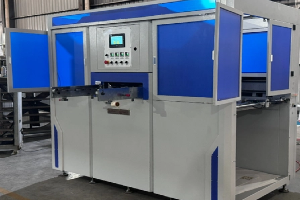
Another key reason Soft Cover Book Solutions are more cost-effective lies in the manufacturing process.
Soft cover books typically use perfect binding, a method where the pages are glued directly to the spine using durable adhesive. This process is faster and less labor-intensive than the complex casing and stitching required for hard cover books.
Soft cover production is well-suited to digital and offset printing methods, allowing for efficient short or large print runs. For small publishers or on-demand printing, digital presses minimize setup costs, waste, and storage needs.
Because soft cover books require fewer materials and steps, overall labor costs and setup times are significantly reduced. Printers can produce large quantities quickly — an important factor when meeting tight deadlines or fulfilling mass-market orders.
This high-speed, low-waste production approach means publishers get more books for less money in less time.
Shipping and logistics often make up a large portion of a book project’s total cost. Here again, soft cover book solutions shine.
Soft cover books are much lighter than hard covers, making them easier and cheaper to ship. Whether sent locally or internationally, the weight savings translate into considerable reductions in freight charges.
Because they’re thinner and more flexible, soft cover books take up less space in cartons, pallets, or shelves. Publishers can store larger quantities in the same area, lowering warehousing costs.
Soft cover books are perfect for mail campaigns, conferences, or product launches where materials must be distributed quickly and cost-effectively. Lower postal rates and reduced handling effort make them the preferred choice for bulk distribution.
For businesses operating on tight margins or serving global markets, these logistical advantages contribute significantly to overall cost savings.
Unlike hard cover books that require long production lead times and higher minimum orders, Soft Cover Book Solutions provide scalability for any print quantity.
For startups, self-published authors, or limited editions, soft cover printing allows short runs without high setup costs. You can print exactly the number of copies you need, avoiding unnecessary inventory and waste.
At the same time, soft cover printing scales efficiently. Once setup is complete, printing thousands of copies results in a lower per-unit cost, maximizing production value.
When updates or new editions are needed, soft cover formats can be reprinted quickly and inexpensively. This flexibility supports evolving product lines, educational materials, and corporate communications.
A common misconception is that soft cover books are less durable or professional than hard covers. However, advances in adhesive technology, lamination materials, and binding methods have significantly improved their quality and lifespan.
Modern PUR (polyurethane reactive) glues used in perfect binding create a flexible yet strong bond that resists cracking and allows the book to open flat without pages falling out.
Gloss and matte laminations protect covers from scratches, moisture, and fading, ensuring the book maintains its visual appeal even after frequent handling.
With high-resolution printing, color calibration, and finishing options like spot UV or embossing, soft cover books can achieve a premium look comparable to — and sometimes indistinguishable from — hard covers.
The result: high-quality presentation at a fraction of the price.
Cost-effectiveness today is not just about money — it’s also about sustainability. Soft cover books are inherently more eco-friendly than hard covers due to their reduced material use and recyclability.
Soft covers eliminate the need for dense boards, cloth, and extra adhesives, which reduces the amount of raw material used per book.
Most soft cover books are made from recyclable paper and eco-friendly coatings, aligning with corporate sustainability goals and green publishing initiatives.
Shorter production times and lighter shipping loads translate to lower carbon emissions. For companies committed to sustainability reporting, this factor is both environmentally responsible and cost-beneficial.
Another reason soft cover books are cost-effective is their broad applicability. They serve multiple industries and purposes, eliminating the need to design entirely different formats for each project.
Common uses include:
Marketing Collateral: Product catalogs, brand books, and promotional brochures.
Education: Textbooks, workbooks, and manuals.
Corporate Documentation: Training materials, technical guides, or safety manuals.
Creative Publishing: Novels, poetry collections, and art portfolios.
The versatility of Soft Cover Book Solutions reduces development time and tooling costs. A single binding and printing setup can be used for multiple types of publications — further improving cost efficiency.
Cost efficiency doesn’t have to mean compromising on design or presentation. Modern printing allows Soft Cover Book Solutions to maintain a sleek, professional aesthetic.
Soft cover books can feature creative layouts, spot UV finishes, foil stamping, or embossing at a fraction of the cost of hard covers. These techniques elevate the book’s visual appeal without dramatically increasing expenses.
For businesses producing catalogs or product manuals, soft covers allow consistent branding across editions and departments, while remaining budget-friendly.
Soft cover books are easier to handle, lighter to carry, and comfortable to read. These ergonomic benefits improve user experience — a subtle but valuable advantage for marketing and educational purposes.
To illustrate the financial difference, consider this simplified example of printing 1,000 copies of a 200-page book (A5 size, full color):
Specification | Soft Cover Book | Hard Cover Book |
Cover Material | 300gsm laminated paper | 2mm cardboard + cloth wrap |
Binding | Perfect binding | Case binding with endpapers |
Production Time | 3–5 days | 10–14 days |
Unit Cost (approx.) | $2.50 | $6.50 |
Total Cost | $2,500 | $6,500 |
Weight (per 1,000 copies) | ~180 kg | ~350 kg |
Shipping Cost | 40% lower | — |
This comparison demonstrates how soft cover solutions can cut production and logistics costs by more than half, while maintaining excellent readability and professional quality.
When it comes to balancing quality, speed, and affordability, Soft Cover Book Solutions clearly lead the way. They minimize material use, streamline production, reduce logistics costs, and deliver professional presentation — all while supporting sustainability.
Whether you’re a publisher producing thousands of novels, a company printing training manuals, or a brand developing marketing catalogs, soft cover books provide the best return on investment for your printing budget.
If you’re exploring reliable and professional Soft Cover Book Solutions, we recommend visiting www.cn-koten.com. The company offers advanced printing and binding technologies tailored to diverse publishing needs, helping clients produce high-quality, cost-effective publications efficiently.
In today’s competitive market, smart publishing isn’t just about beautiful books — it’s about making every page work smarter, not harder. Soft Cover Book Solutions make that possible.


