Views: 0 Author: Site Editor Publish Time: 2025-11-21 Origin: Site
Die-cutting machines are essential tools used in a wide range of industries, from manufacturing to crafts. But have you ever wondered why they're called "die-cut" machines? In this article, we’ll dive into the origins of the term, how die-cutting works, and why this process is crucial for both industrial and creative applications. Whether you're a professional in the manufacturing sector or a crafter using die cutting machines for crafts, understanding the name and the process is key to mastering these tools.
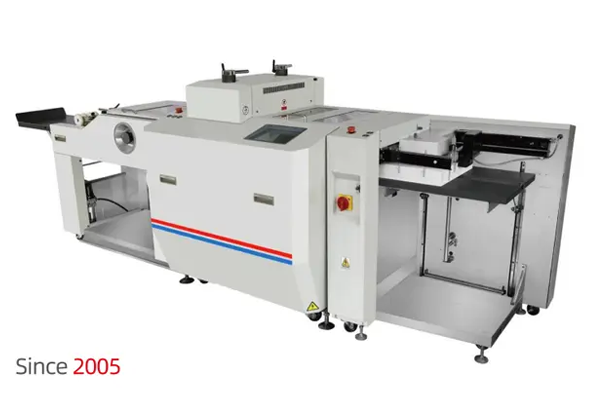
A die cutting machine is a specialized device used to cut, shape, or punch out specific shapes from various materials. The machine uses a metal tool known as a "die" to make precise cuts in materials such as paper, cardstock, fabric, foam, plastic, or even thin metals. The die serves as the cutting tool that helps create consistent, repeatable shapes, which is crucial for high-volume production or crafting projects.
While industrial die cutting machines are often used for mass production, smaller machines designed for personal use or hobbyists are also popular for crafts. These die cutting machines for crafts allow crafters to cut intricate designs with precision, making them an essential tool for scrapbooking, card making, and other paper crafts.
The term "die" refers to a metal tool used to cut or shape material. In die cutting, the die is typically a metal blade or set of blades that are formed into the shape or design you want to cut. When pressure is applied to the material, the die cuts through it, forming the desired shape. Think of it like a cookie cutter, but for industrial materials.
The die can be made in various shapes and sizes, depending on the needs of the project. This flexibility makes die cutting machines extremely versatile, capable of cutting anything from simple shapes to intricate designs.
In a die-cutting process, the material—be it paper, fabric, or any other substrate—is placed under the die. Once the die is aligned with the material, the machine applies pressure to the die, causing it to cut through the material. The result is a clean, precise shape that is ready to be used in further production or crafting processes.
In the context of die cutting machines for crafts, these cuts can range from simple geometric shapes like circles or squares to intricate designs used in scrapbooking or cardmaking. Crafters can create personalized designs for their projects, offering endless possibilities for creativity.
The term “die cutting” has roots in the manufacturing process. The word "die" itself dates back to the 1300s, derived from the Middle English word "de" and the Latin "datum," meaning "something placed or formed." In early manufacturing, dies were used in a wide range of industries, such as stamping coins, casting metal parts, and even cutting leather. As industries grew, the use of dies expanded, and the term "die cutting" was coined.
In the 19th century, the die-cutting process became increasingly refined and was used in various sectors, including packaging and textiles. As technology advanced, die-cutting machines were developed to automate and speed up the process, allowing for mass production of identical shapes.
The die-cut machine gets its name because of the fundamental role the die plays in the cutting process. It’s not just about the machine itself, but the tool (the die) that makes it possible to cut precise shapes consistently. Over time, as die-cutting machines became more automated and sophisticated, the name stuck, and today we refer to these machines as die-cut machines, regardless of whether they're used for industrial or crafting purposes.
For crafters, the term die-cut machine perfectly captures the essence of the tool: a machine that uses a die to cut intricate shapes from materials for creative projects. These machines have made crafting easier, allowing hobbyists and professionals alike to create complex designs without the need for manual cutting.
Die cutting machines typically follow a straightforward process, whether used in large-scale manufacturing or by crafters. Here’s an overview of how they operate:
Preparation: First, a die (which is a pre-shaped tool) is selected based on the desired cut or shape. The die can be custom-made to fit specific requirements.
Material Placement: The material, such as paper, fabric, or foam, is fed into the machine. For larger machines, this might be done automatically, while smaller hobbyist machines may require manual placement.
Cutting Process: The machine applies pressure to the die, pressing it through the material. Depending on the type of machine, this can be done with a manual lever, an electric motor, or a computer-controlled mechanism.
Finished Product: Once the die has cut through the material, the result is a precise shape that is ready for use in production or crafting.
Die-cutting machines come in various sizes, from industrial-grade machines capable of cutting large volumes of materials to smaller machines designed for home use, particularly for die cutting machines for crafts. These smaller machines often offer versatility, allowing users to cut a variety of materials and shapes for personalized projects.
Die cutting is essential in many industries, particularly for packaging, textiles, and automotive parts. The main advantages of using a die-cutting machine in industry include:
Consistency: Die-cutting machines can produce thousands of identical shapes, ensuring consistency and precision.
Speed: These machines can cut at high speeds, significantly reducing production time.
Cost-effectiveness: Once the die is created, the machine can continue producing cuts at a low cost per unit.
For crafters, die cutting machines for crafts have opened up new possibilities for creating personalized designs. The key advantages for hobbyists include:
Precision: Achieve clean, sharp cuts that are difficult to replicate by hand.
Efficiency: Cut intricate shapes quickly and easily, saving time and effort.
Versatility: Use a variety of materials, including paper, fabric, felt, and more, to create a range of craft projects.
Crafting with die cutting machines has become increasingly popular for scrapbooking, cardmaking, and other paper crafts, allowing crafters to add unique designs to their projects.
Here are some viewpoints on why die cutting machines are called that from various platforms:
Refine Packaging: The term “die” in die cutting comes from the traditional manufacturing process of using tools to stamp or cut shapes in metal, and this terminology was carried over into the world of die cutting.
Best Cutting Die: In the context of packaging and manufacturing, the die cutting process evolved as an efficient way to mass-produce uniform shapes, making the term "die-cut machine" synonymous with precision cutting tools.
Scrapbook.com: For crafters, the term "die-cut" reflects the ease and precision these machines bring to projects, making it easier to create multiple identical shapes quickly.
AccuShape Die Cutting: The name stems from the tool that’s used in the process—the die—which was historically made from hardened metal used to stamp shapes out of materials.
In conclusion, a die-cut machine gets its name from the die tool used to precisely cut shapes from various materials. Whether in industrial applications or in the world of crafts, the die-cutting process offers unmatched precision, consistency, and efficiency. For both professionals and hobbyists, understanding how these machines work and why they’re called "die-cut" machines can help you choose the right tool for your projects.
If you're in the market for a die cutting machine for crafts or an industrial-grade model, knowing the origin of the term and the advantages of these machines will help you make a more informed decision.


