
Views: 0 Author: Site Editor Publish Time: 2026-09-25 Origin: Site
Imagine walking down a high-end retail aisle. Consumers instinctively want to see products before buying them. Transparent packaging acts as a powerful driver for higher retail sales today. Achieving that perfect windowed box is historically fraught with manufacturing hurdles. Traditional packaging methods often result in bulky corners, cracked cardboard, or frustratingly slow production times when applying film windows.
Modern manufacturing floors are turning to highly integrated solutions to overcome these mechanical bottlenecks. In this comprehensive guide, you will learn exactly how advanced equipment equipped with V-cutting and creasing capabilities serves as the ultimate game-changer. These structural modifications improve efficiency, reduce material waste, and elevate the final structural quality of the carton.
Precision Aesthetics: Subtractive V-cutting eliminates bulky corners, allowing for the sharp, crisp 90-degree folds that premium retail brands demand.
Flawless Folding: Integrated creasing mechanisms compress paper fibers prior to folding, preventing material cracking and significantly accelerating downstream folder-gluer operations.
Material Versatility: Modern equipment can seamlessly transition between traditional high-clarity plastics and emerging eco-friendly, biodegradable films like Polylactic Acid.
High ROI: Consolidating gluing, cutting, creasing, and patching into a single automated workflow slashes manual labor, minimizes material waste, and maximizes overall production throughput.
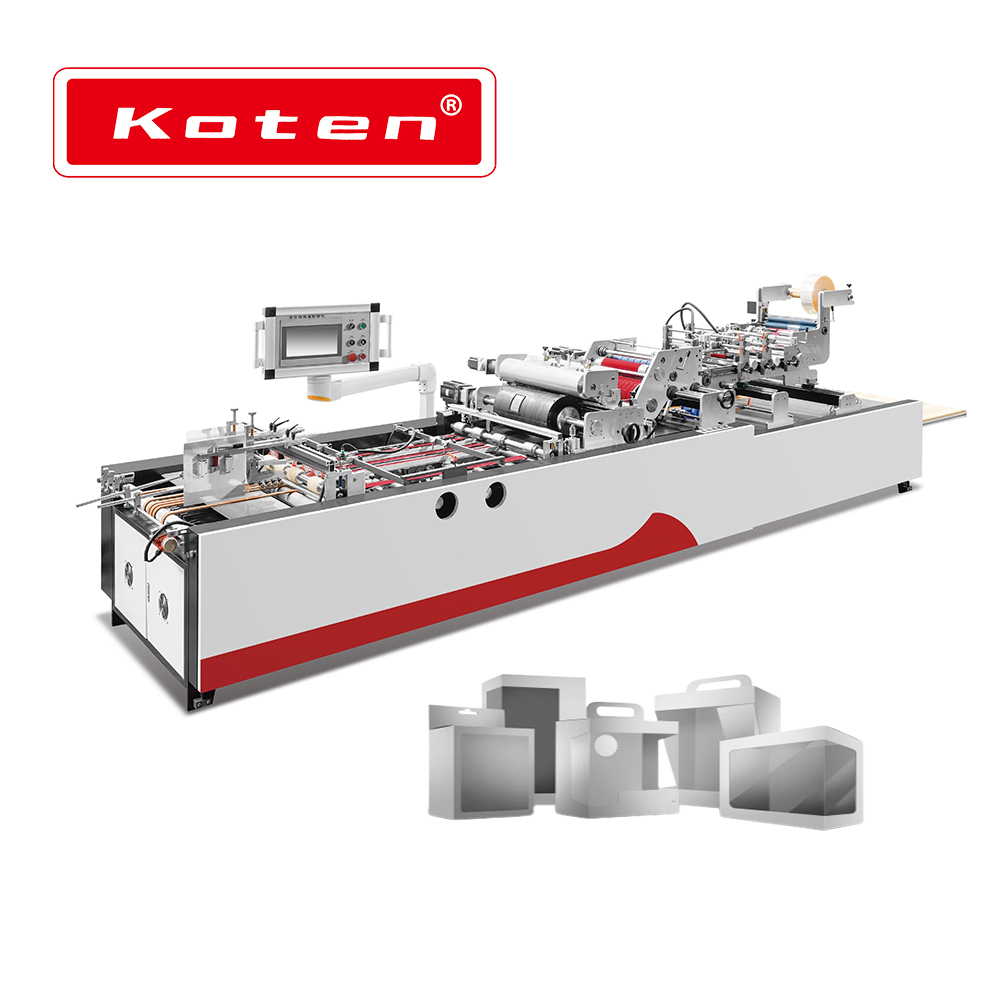
At its core, a window patching machine is a highly specialized piece of industrial equipment utilized primarily in the printing and packaging sectors. Its fundamental purpose is to apply a transparent film over die-cut windows on paperboard or corrugated cartons. This precise process allows end-consumers to view the product inside the box while maintaining the structural integrity and protective barrier of the packaging itself.
Historically, the application of transparent windows was a fragmented, labor-intensive endeavor. Early iterations of paper box machinery required separate, isolated workstations for die-cutting, gluing, and film application. Older machines simply applied a layer of adhesive around a pre-cut hole and pressed a flat piece of plastic film over it. While functionally adequate for basic boxes, this elementary method completely ignored the structural challenges that occur when a thick carton blank with attached film is subsequently folded into a three-dimensional shape.
As packaging designs grew more complex and production speed requirements skyrocketed, manufacturers quickly recognized the glaring inefficiencies of multi-step processing. Consequently, the industry shifted decisively toward all-in-one automation. Factory floors began integrating secondary structural processes directly into the primary patching workflow to reduce handling time and eliminate alignment errors.
The standard operation of modern equipment involves a beautifully synchronized, multi-stage workflow. First, the paper feeding unit accurately dispenses flat, die-cut carton blanks onto a high-speed conveyor system. Next, the gluing module applies a highly precise pattern of adhesive around the perimeter of the window cutout. Simultaneously, the film section unwinds, cuts, and aligns the transparent material before pressing it firmly onto the glued surface. Finally, the delivery unit stacks the finished blanks for the next phase of assembly.
Standard patching alone is no longer sufficient for high-end retail applications. The integration of structural modifications—specifically V-cutting and precision creasing—is what truly differentiates basic, entry-level equipment from high-performance manufacturing solutions.
The packaging sector is currently undergoing a massive transformation fueled by e-commerce expansion and a heightened focus on the unboxing experience. Recent market analyses reveal a surging preference for structurally sound, transparent packaging across premium retail sectors. Brands want consumers to interact visually with the product without compromising the box's rigidity during transit.
This shift has exposed a critical vulnerability in traditional manufacturing. Facilities relying on outdated equipment struggle to meet the tight tolerances required by automated fulfillment centers. A poorly folded window carton will inevitably jam high-speed packaging lines. Consequently, there is a massive industry-wide push toward integrating structural modifications directly into the initial workflow. Market experts note that facilities adopting integrated cutting and creasing technologies report dramatic increases in downstream processing speeds.
Furthermore, the aggressive global pivot toward sustainable materials forces manufacturers to upgrade. Modern production lines must now seamlessly handle both standard plastics and delicate biodegradable films without sacrificing output metrics. Equipment that cannot rapidly adapt to varying film tensions and cold-glue applications is quickly becoming obsolete.
In the context of rigid cardboard and heavy corrugated packaging, V-cutting is a subtractive manufacturing technique. It involves utilizing precision rotary blades to excavate a clean, V-shaped channel into the substrate exactly along the intended fold lines.
Folding thick cardboard presents a significant physical challenge, particularly when a taut layer of plastic film is bonded to the surface. When a standard, un-grooved carton board is forced to fold, the inner layers of the cellulose material compress while the outer layers stretch to their limits. This severe physical displacement causes the material at the corner to bunch up. The result is a rounded, bulky edge that can severely interfere with the structural alignment of the finished box.
A specialized V cutter machine brilliantly solves this mechanical issue by removing a specific wedge of the inner material. The angle is typically engineered at 90 to 120 degrees. By excavating the inner liner and corrugated medium while leaving the outer printable liner completely intact, the board can fold perfectly flat against itself. The empty groove accommodates the displaced material. This ensures the corner remains razor-sharp and the attached window film does not wrinkle or warp under tension.
The visual presentation of retail packaging directly and profoundly influences consumer perception and brand positioning. Luxury sectors—including premium cosmetics, high-end consumer electronics, and gourmet confections—demand flawless packaging with sharp, crisp edges that instantly convey quality and sophistication.
Specifically, V-cutting directly impacts this perceived value. A bulky, rounded corner can make an otherwise premium product look mass-produced, cheap, or structurally weak. In contrast, a precise 90-degree corner provides a sleek, architectural finish to the carton. This unparalleled level of precision allows packaging designers to create highly structured, rigid boxes that command attention on the retail shelf, ultimately justifying premium product pricing models.
While V-cutting aggressively removes material to form a sharp corner, creasing is a compressive technique. Factory operators utilize this method to prepare lighter folding cartons and paperboards for the high-speed assembly process. Creasing involves pressing a steel rule into the paperboard against a corresponding matrix. This creates a localized, controlled indentation along the fold line.
To fully understand the critical importance of creasing, one must consider the delicate mechanics of paper fibers. Thick carton board consists of multiple layers of interwoven cellulose fibers. When a thick board is folded without a proper, pre-defined crease, the mechanical stress is distributed unevenly. The outer layers of the board stretch far beyond their tensile limits. This violent rupture of interwoven fibers results in unsightly, jagged cracking along the fold. It destroys the beautifully printed surface and exposes the raw, unprinted fibers beneath.
Integrated creasing elegantly addresses this issue by deliberately weakening the board along a precise, microscopic line. The creasing mechanism compresses the inner fibers and slightly delaminates the internal layers of the board just enough to relieve surface tension. When the carton is subsequently folded, the outer printed surface curves smoothly around the compressed crease. The result is an unblemished, highly professional finish without a hint of cracking.
After the window application process is complete, the flat blanks are transferred to automated folder-gluer machines. These downstream systems fold and seal the cartons into their final three-dimensional shapes at blistering speeds, often exceeding hundreds of meters per minute. A carton that has been accurately pre-creased folds naturally with an audible, crisp snap and minimal mechanical resistance.
This predictability prevents the blanks from skewing, drifting, or jamming as they travel through the high-friction folder-gluer belts. As a result, packaging facilities experience higher hourly output and drastically reduced machine downtime. Operators spend significantly less manual labor clearing jams and recalibrating misaligned equipment.
The true operational breakthrough in modern paper box manufacturing occurs when film patching, V-cutting, and creasing are consolidated into a single, continuous pass. This powerful synergy completely eliminates the need to transport fragile materials between different machines. Consequently, factory floors drastically reduce the risk of handling damage, surface scratches, and registration errors.
In a fully integrated system, the workflow is highly synchronized through advanced servo motors and sophisticated programmable logic controllers. Imagine the precise hum of the factory floor. As the carton blank enters the machinery, the V-cutting module first excavates the necessary grooves for the rigid, primary corners. Immediately following this, the creasing unit compresses the fold lines for the lighter, secondary flaps.
Once the structural preparation is flawlessly executed, the blank moves seamlessly into the gluing and patching section. Because the board has already been grooved and creased, the optical sensors can apply the transparent film with exact registration. The machine knows precisely how the board will behave when eventually folded. This continuous, real-time synchronization ensures that the window film is perfectly aligned with the structural folds of the final box. It completely eliminates the dreaded window drift that plagues older machinery.
To vividly illustrate the objective benefits of this integration, consider the operational metrics when comparing a traditional two-machine setup against an all-in-one automated solution.
| Operational Metric | Traditional Two-Step Process | Integrated V-Cutting & Creasing Patcher |
|---|---|---|
| Floor Space Required | High (Requires extensive space for two machines plus intermediate pallet storage) | Low (Consolidated, streamlined footprint) |
| Labor Requirements | 2-4 Operators per shift | 1-2 Operators per shift |
| Energy Consumption | Higher (Running multiple independent heavy-duty motors and vacuums) | Lower (Shared efficient power systems and servo drives) |
| Setup & Calibration Time | 45 - 60 minutes (Manually aligning two entirely separate processes) | 15 - 25 minutes (Centralized digital recipe recall) |
| Defect Rate | Moderate (High risk of misalignment during physical transfer) | Low (Single-pass registration ensures sub-millimeter accuracy) |
Consumer preferences and strict global regulatory frameworks are shifting aggressively toward sustainability. Packaging manufacturers must adapt to a much wider array of materials to remain relevant and competitive. Modern machinery must be engineered from the ground up to handle both traditional plastics and emerging ecological alternatives without requiring extensive, time-consuming mechanical retrofitting.
For decades, Polyethylene Terephthalate and Polyvinyl Chloride have served as the undisputed industry standards for carton windows. They offer brilliant clarity, immense tensile strength, and reliable adhesion properties. A high-quality PET window patcher is heavily equipped with precise tension control rollers and active static elimination bars. These components allow the equipment to handle synthetic films at high speeds without stretching, snapping, or tearing.
The packaging industry is currently experiencing a massive, rapid transition toward Polylactic Acid films and other biodegradable, plant-based alternatives. PLA behaves vastly differently than traditional plastics. It is often much more brittle, possesses a significantly lower melting point, and is highly sensitive to microscopic tension fluctuations. Advanced patching machines seamlessly accommodate these eco-friendly films through digitally adjustable web tensioners and variable cutting pressures. Specialized cold-glue application systems prevent the delicate material from distorting or melting during the high-speed patching process.
Beyond film versatility, modern equipment must also effortlessly process a wide, unpredictable spectrum of paperboard substrates. A busy manufacturing facility may need to run lightweight folding cartons in the morning, and heavy corrugated boards in the afternoon.
Advanced machines feature digitally adjustable V-cutting depths and easily interchangeable creasing matrices. This intelligent design allows operators to calibrate the exact depth of the rotary cut or the physical pressure of the crease based on the specific caliper of the cardboard currently on the feed belt. This rapid, tool-less adaptability ensures that a single machine can service a highly diverse client base, maximizing the overall utilization rate of the equipment.
Upgrading heavy factory equipment is never a decision made lightly by production managers. It is driven by hard data, efficiency metrics, and long-term financial returns. The integration of V-cutting and creasing technologies into a single operational workflow fundamentally alters the cost-to-benefit ratio of modern manufacturing. Decision-makers must look beyond the initial capital expenditure and deeply analyze the total cost of ownership, daily operational savings, and newly unlocked revenue opportunities.
Applying a transparent window, creating a structural crease, and managing corner folds traditionally required multiple distinct machines and a small army of human operators. Each physical transfer of materials between different workstations introduces the very real risk of human error, structural misalignment, and surface contamination. By aggressively consolidating these processes, an automated carton window patching machine drastically reduces the labor footprint required on the factory floor. Facilities can intelligently reallocate skilled operators to quality control or other high-value tasks rather than mundane manual material handling.
Material waste is a silent, significant drain on profitability in the packaging sector. When thick corrugated boards or heavy folding cartons are processed without precise grooving, the expensive materials are highly susceptible to cracking, bulging, and tearing during the final folding stages. These structural failures result in unacceptably high scrap rates. Advanced equipment utilizes servo-driven registration systems to ensure that the cutting, creasing, and film application occur with sub-millimeter accuracy. Fewer rejected boxes mean that vastly more of your raw material investment is successfully converted into sellable, finished goods.
The global packaging industry is experiencing a distinct, undeniable shift toward premiumization. High-end sectors such as luxury cosmetics, flagship consumer electronics, artisanal spirits, and gourmet foods demand packaging that perfectly reflects the premium quality of the product inside. These prestige brands require sharp, precise 90-degree corners and flawless transparent windows that do not distort the consumer's view of the product.
Standard folding methods simply cannot achieve this level of structural integrity on thick substrates without the corners bulging outward unattractively. The V-cutting process removes the exact amount of material necessary to allow the board to fold perfectly flat against itself. By consistently producing these structurally superior and aesthetically flawless cartons, packaging manufacturers can confidently enter premium pricing tiers. Brands are more than willing to pay a noticeably higher unit price for packaging that enhances their retail shelf presence.
Procuring industrial packaging equipment requires a highly systematic evaluation of technical specifications, compatibility with existing factory workflows, and long-term reliability. Not all machines are engineered to the same exacting standards. Selecting the wrong equipment can quickly lead to disastrous production bottlenecks and wildly expensive downtime.
When reviewing technical documentation, buyers should aggressively prioritize several critical performance indicators. First, closely examine the operational speed and paper compatibility. High-performance models should comfortably handle paperboard ranging from 200 to 800 grams per square meter, as well as corrugated flutes ranging from 1.5 to 8 millimeters in thickness. Maximum speed is only valuable if the machine can maintain pinpoint accurate registration. Look specifically for equipment that utilizes independent servo motors for the feeding, gluing, and patching sections. This advanced architecture allows for micro-adjustments during live operation without halting the production line.
Next, evaluate the setup and changeover times. Short-run, highly customized jobs are becoming increasingly common on the modern factory floor. A machine that takes hours to mechanically reconfigure for a different box size will severely impact your daily throughput. Advanced models feature computerized programmable logic controllers and intuitive touch-screen interfaces that can store hundreds of job recipes. Operators can recall specific dimensions, glue patterns, and film lengths instantly, reducing mechanical changeover times to mere minutes.
Finally, rigorously assess the engineering quality of the structural modification modules. The high-speed cutting blades must be manufactured from premium, wear-resistant materials like tungsten carbide to maintain their sharpness over millions of repetitive cycles. The machine should offer precise, granular depth control, allowing operators to easily and safely switch between lightweight cosmetic boxes and heavy-duty appliance packaging.
The initial purchase price of the machinery is only one single component of the total investment. Long-term reliability and support are equally important. When integrating complex, multi-functional equipment into your assembly line, the quality of after-sales support provided by the manufacturer is paramount to your success.
Prioritize suppliers who offer comprehensive, hands-on technical training for your operators and maintenance staff. Proper training ensures that the machine is run at optimal parameters and that routine maintenance schedules are strictly followed. Always inquire about the availability of spare parts and the average response time for technical support. A reputable manufacturer will maintain a robust, easily accessible inventory of critical components, ensuring that any unexpected downtime is kept to an absolute minimum.
By seamlessly integrating V-cutting and precision creasing into a single automated workflow, advanced window patching machines have fundamentally transformed modern carton production. This sophisticated equipment effectively eliminates the persistent, costly issues of bulky corners and cracked folds that have long plagued the packaging industry. Production lines run significantly faster with far less material waste and fewer mechanical jams.
Investing in this level of automated technology is no longer just an operational upgrade. It is a strategic maneuver that directly improves your overall output and market positioning. High-quality machinery serves as the critical bridge connecting highly creative, premium packaging design with highly profitable, efficient manufacturing.
If your facility is ready to eliminate production bottlenecks and upgrade to high-speed, precision automated packaging solutions, it is time to explore equipment engineered for ultimate reliability. Discover how a state-of-the-art packaging window machine can transform your workflow. Evaluate your specific production requirements and find the perfect machinery match at Koten to maximize your factory's true potential today.
A standard machine is designed with a singular primary function. It applies adhesive and secures a transparent film over a pre-die-cut hole in a carton. It does not alter the physical structure of the cardboard itself. Conversely, a machine equipped with a V-cutter physically modifies the substrate. It utilizes precision blades to remove a wedge of the cardboard material exactly along the designated fold lines. This targeted removal of material eliminates the resistance and bulk that naturally occur when thick board is folded. The result is a sharp, crisp 90-degree corner without the unsightly bulging associated with standard folding methods, making it the ideal standard for premium and luxury packaging boxes.
Yes, modern and technologically advanced machines are engineered with high material versatility in mind. The physical properties of eco-friendly and biodegradable films differ significantly from traditional plastics. They often require completely different handling dynamics regarding web tension, static control, and cutting pressure. A high-quality machine features highly adjustable servo-driven tension controllers and variable cutting mechanisms. These adjustable parameters allow operators to fine-tune the machine to smoothly process standard synthetic plastics as well as delicate, sustainable alternatives. This ensures that packaging manufacturers can meet the growing consumer demand for environmentally responsible packaging without sacrificing production speed.
The efficiency of an automated folder-gluer relies heavily on the physical condition of the carton blanks it receives. Paper fibers possess a natural rigidity and memory. If a thick carton board is forced to fold without a precise, pre-defined crease, the fibers resist the fold. This resistance can cause the board to skew, jam the machine, or violently crack the printed surface. Integrated creasing compresses the paper fibers along the exact fold line before the film is even applied. This pre-conditioning ensures that the carton folds naturally and with minimal mechanical resistance. Consequently, pre-creased cartons travel through downstream folder-gluer machines much faster, with superior alignment, and with a drastically reduced risk of jams, thereby maximizing the entire line's operational output.
Maintaining these specific mechanical components is highly manageable when a facility strictly adheres to a structured, routine preventive maintenance schedule. The primary focus involves consistently monitoring the condition of the cutting blades and the creasing matrix. Over time, blades will naturally dull, and the matrix can accumulate paper dust and dried adhesive. Upkeep simply requires keeping the blades sharp, ensuring the mechanical pathways are blown clean, and maintaining proper lubrication on all moving parts. Reputable manufacturers design their equipment with operator convenience in mind, often featuring modular, easy-to-swap blade systems and highly accessible cleaning zones. This engineering approach minimizes the time required for maintenance and prevents prolonged production downtime.
Historically, manufacturers relied heavily on Polyethylene Terephthalate and Polyvinyl Chloride due to their exceptional clarity and high tensile strength. However, modern automated machinery is highly versatile. It can smoothly process emerging sustainable options like Polylactic Acid films and cellulose-based transparent windows. The key is utilizing equipment with precise, adjustable web tension controls to handle the unique physical properties of these eco-friendly alternatives without causing micro-tears or heat distortion.
When executed correctly by precision rotary blades, V-cutting enhances rather than weakens the final product. By removing only a specific wedge of the inner corrugated medium and liner, the outer printable layer remains completely intact. This controlled excavation relieves the immense surface tension that normally causes thick cardboard to crack or bulge when folded. The result is a mathematically perfect 90-degree corner that provides superior vertical crush resistance and stacking strength during palletized shipping.


