
Views: 0 Author: Site Editor Publish Time: 2026-07-24 Origin: Site
Regulatory pressures and shifting consumer expectations force food and cosmetic brands away from single-use plastics. Adopting alternative packaging is now a baseline requirement rather than a differentiator. Transitioning to paper-based packaging introduces significant technical challenges. Compromised barrier properties, reduced shelf life, and structural vulnerabilities disrupt transit. You also face the need for new manufacturing workflows on the factory floor. Successfully adopting Paper Box Solutions requires a rigorous evaluation of material science. You must assess coatings, substrates, and compliance standards. Operational scalability is equally critical. This ensures product integrity remains intact without inflating operational expenses. You must balance sustainability goals with strict performance metrics, ensuring that every carton leaving the facility meets rigorous quality control standards before reaching the consumer.
Barrier Performance is Critical: Food and cosmetic paper packaging requires specialized, FDA/EFSA-compliant coatings to resist moisture, grease, and chemical degradation while maintaining recyclability.
Multifaceted Protection: Effective paper box solutions must defend against physical, chemical, and biological contaminants to ensure product preservation throughout the supply chain.
Aesthetics Meet Structural Integrity: Cosmetic packaging demands high-fidelity printing and structural rigidity to protect fragile primary containers (e.g., glass vials) while delivering a premium unboxing experience.
Machinery Integration Drives Scalability: Transitioning to paper requires auditing existing packaging lines; equipment like a paper box window patching machine is essential for maintaining product visibility without sacrificing structural strength.
Inventory and Logistics Durability: Storage and shipping require packaging designs optimized for crush resistance, stackability, and load-bearing performance under fluctuating warehouse humidity levels.
Food packaging faces distinct risks compared to cosmetic containers. Microbial contamination, oxidation, and moisture loss threaten food safety. Cosmetic packaging risks chemical leaching, UV exposure, and physical impact. You must address these vulnerabilities through precise material selection. Each product category demands a tailored approach to risk mitigation on the production line.
Implement a three-tier protection model for optimal defense. Physical barrier defense provides puncture and impact resistance. Chemical barrier defense limits volatile organic compound migration. Biological barrier defense prevents fungal and bacterial ingress. This layered approach ensures comprehensive product protection across diverse environments, from the warehouse to the retail shelf.
When evaluating these vulnerabilities, engineers must look at the specific failure modes of legacy packaging. For instance, a plastic tray might crack under impact, whereas a poorly designed paper alternative might crush. Understanding these mechanical differences is the first step in engineering a robust replacement.
Define non-negotiable success criteria before transitioning materials. You need shelf-life parity with legacy packaging formats. Drop-test survival rates must meet or exceed previous benchmarks. Tamper-evidence capabilities remain mandatory for consumer safety. Establish these metrics early to guide procurement decisions and machine calibration.
Evaluate the balance between primary and secondary packaging. Primary packaging requires direct contact compliance. Secondary packaging focuses on structural support and branding. Both industries rely on this synergy to protect goods. Optimize outer cartons to reduce stress on primary containers, utilizing specific flute profiles and linerboard combinations.
Identify the maximum load capacity required for pallet stacking.
Determine the acceptable moisture vapor transmission rate (MVTR) for the specific product.
Establish the required edge crush test (ECT) value for secondary transit cartons.
Define the acceptable tolerance for color shifting during the printing process.
Assess the efficacy of various barrier technologies. Aqueous coatings, bioplastics like PLA, and metallized films prevent grease migration. They also block moisture ingress effectively. Select the coating based on specific product requirements. Avoid over-engineering packaging for short-shelf-life items, as this wastes resources and complicates the recycling stream.
Contrast the recyclability and compostability profiles of different materials. Biodegradable paper boxes use bio-derived barrier resins. Compare these to standard polymer-coated boards. End-of-life disposal dictates material viability in many regions. Ensure your choices align with local recycling infrastructure to prevent materials from ending up in landfills.
Compare virgin kraft paperboard against recycled corrugated materials. Test them in cold-chain and high-humidity environments. Virgin fibers offer superior strength and moisture resistance. Recycled materials provide sustainability benefits but may lack structural integrity. Balance these factors based on supply chain demands and specific product weight.
| Coating Type | Moisture Resistance | Grease Resistance | Recyclability | Application Method |
|---|---|---|---|---|
| Aqueous Coating | Moderate | High | Excellent | Flexo/Litho Inline |
| PLA Bioplastic | High | Moderate | Compostable | Extrusion Coating |
| Metallized Film | Very High | Very High | Poor | Lamination |
| Polymer Board | High | High | Requires specialized facilities | Co-extrusion |
Examine applications of paperboard in demanding food environments. Milk, dairy products, and liquid beverages rely heavily on specialized cartons. These products require exceptional barrier performance to prevent spoilage. Historical data proves paperboard can handle high-moisture challenges when engineered correctly with the right polymer linings.
Analyze necessary structural and barrier modifications. Multi-layer co-extrusion prevents structural softening. Specialized polymer linings stop delamination and leakage. High-moisture use cases demand these advanced manufacturing techniques. Failure to implement them results in catastrophic product loss and damage to brand reputation.
Detail requirements for direct versus indirect food contact materials. Follow FDA Title 21 CFR and EFSA guidelines strictly. Compliance ensures consumer safety and prevents costly recalls. Document all material specifications for regulatory audits, keeping detailed logs of batch numbers and coating formulations.
Examine risks associated with recycled paper fibers. Mineral oil aromatic hydrocarbons (MOAH) and mineral oil saturated hydrocarbons (MOSH) can migrate. Apply necessary barrier mitigations to block these contaminants. Functional barriers are essential when using recycled content for food, often requiring an inner pouch or a highly impermeable coating.
Evaluate material performance across extreme temperature variations. Test freezer-to-oven applications thoroughly. Freezer-to-microwave transitions also stress paperboard structures. Ensure adhesives and coatings withstand rapid thermal expansion. Packaging must remain intact from processing to consumption, maintaining its seal integrity under stress.
High-end cosmetic brands utilize advanced finishing techniques. Embossing, debossing, and foil stamping elevate paper substrates. They achieve this without compromising recyclability. Sustainable packaging can still deliver a luxury experience. Material selection dictates the success of these finishes, requiring specific fiber lengths and board densities.
Structural engineering protects heavy or fragile primary containers. Custom paper inserts replace plastic trays effectively. Glass perfume bottles and heavy jars require precise fitment. Engineered paper structures absorb shock during transit. This reduces breakage rates significantly while maintaining a premium unboxing experience for the end user.
Consumers demand product visibility in retail environments. This applies equally to cosmetics and premium foods. Transparent windows build trust and drive purchasing decisions. Maintaining structural integrity around these windows is critical, as die-cutting removes material and inherently weakens the carton structure.
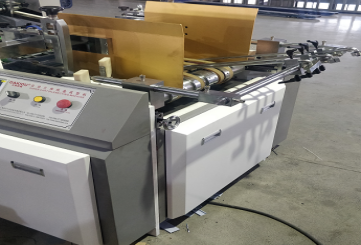
Integrate a Paper Box Window Patching Machine into your line. It applies transparent films to die-cut windows efficiently. You can use cellulose, PLA, or PET films. This automation ensures consistent quality and high throughput, preventing the bottlenecks associated with manual film application.
Evaluate the technical specifications of window patching. Adhesive application accuracy prevents film peeling. Film tension control eliminates wrinkles. Align film biodegradability with the paper substrate. Maintain throughput speeds to ensure overall line efficiency, calibrating the machine for the specific caliper of the paperboard being processed.
Assess compatibility of current die-cutting, folding, and gluing machinery. New paper substrates behave differently than legacy materials. They have different friction coefficients and stiffness levels. Machine adjustments are necessary to prevent jams and misfeeds. Operators must recalibrate feeder belts and folding plows to accommodate the new material properties.
Conduct trial runs with production-grade materials. Monitor feed rates and folding accuracy closely. Identify bottlenecks before full-scale implementation. Upgrading specific machine components may be required, such as installing specialized vacuum belts or modifying the adhesive application nozzles.
Analyze potential reductions in line speed. Processing thicker, coated, or laminated paperboards often slows production. Factor these throughput changes into your capacity planning. Optimize machine settings to regain lost efficiency over time, focusing on the critical path of the folding and gluing process.
Evaluate curing times and bonding strength. Eco-friendly adhesives differ from traditional hot-melt glues. They may require longer compression times. Adjust conveyor speeds to accommodate new adhesive profiles. Ensure joints remain secure under stress, performing regular tear tests on the production floor.
Evaluate how paper solutions perform under long-term warehousing. They must handle sustained inventory storage loads. Humidity fluctuations weaken paperboard over time. Design boxes to withstand these environmental stressors, utilizing high-performance fluting and moisture-resistant liners.
Address structural design factors proactively. Conduct Box Compression Tests (BCT) and Edge Crush Tests (ECT). Prevent box collapse under high stack-weight pressures. Non-climate-controlled storage requires robust structural engineering, factoring in a safety margin for creep over extended storage periods.
Calculate the impact of paperboard weight and volume. It affects shipping costs and freight container utilization. Paper solutions may alter warehouse storage density. Optimize carton dimensions to maximize pallet efficiency, ensuring no overhang on the pallet edges which severely compromises stacking strength.
Assess the volatility of global pulp and paper markets. Develop strategies for locking in vendor pricing. Diversify your supplier base to mitigate material shortages. Long-term contracts stabilize procurement expenses and ensure a steady supply of critical packaging materials during peak production seasons.
Moisture absorption leads to box collapse. Structural softening or aesthetic damage occurs during ocean freight. Multi-modal transit exposes packaging to diverse climates. These risks threaten product integrity and can lead to massive rejection rates at the receiving distribution center.
Implement climate-controlled logistics where possible. Specify edge-wicking resistance during the paperboard procurement phase. Apply water-resistant varnishes to outer cartons. These mitigations protect your investment during shipping, ensuring the product arrives in pristine condition.
Delamination, joint split, or seam failure happens frequently. Extreme temperatures and humid storage conditions cause this. Adhesive degradation compromises the entire package structure. This leads to product spillage and returns, damaging relationships with retail partners.
Conduct rigorous accelerated aging tests. Use environmental chamber testing to simulate harsh conditions. Perform dynamic shipping simulations prior to full-scale rollout. Validate adhesive performance across all expected temperature ranges, ensuring the glue line maintains its integrity under shear and peel stresses.
Establish a framework for auditing paper packaging suppliers. Check FSC/PEFC certifications to ensure responsible sourcing. Verify their manufacturing capabilities and quality control processes. Reliable vendors are crucial for consistent packaging, preventing unexpected variations in board caliper or coating weight.
Review batch-to-batch consistency data regularly. Require proof of migration and chemical compliance testing. Conduct on-site audits of their production facilities. Establish clear quality agreements before finalizing contracts, detailing acceptable defect rates and testing methodologies.
Audit your existing packaging machinery to identify necessary upgrades for handling new paper substrates.
Request material samples and conduct Box Compression Tests (BCT) to verify stackability under load.
Verify all barrier coatings meet FDA or EFSA compliance for direct or indirect food contact.
Implement accelerated aging and environmental chamber tests to validate adhesive performance.
Calibrate your window patching equipment to match the specific tension requirements of biodegradable films.
A: They utilize specialized barrier coatings, such as aqueous resins or bioplastics, to prevent moisture ingress and grease migration. Multi-layer co-extrusion techniques also reinforce the paperboard, ensuring it does not soften or delaminate under high-moisture conditions.
A: Yes. Structural engineers design custom paper inserts that replace plastic trays. These inserts are calibrated to absorb shock and securely hold heavy glass jars or perfume bottles, drastically reducing breakage during transit.
A: This equipment applies transparent films over die-cut windows on paper cartons. It controls film tension and adhesive application accurately, providing product visibility for consumers while maintaining the structural integrity of the box.
A: Processing thicker or coated paperboards can alter friction coefficients, potentially slowing down die-cutting and folding machinery. Additionally, eco-friendly adhesives may require longer curing times compared to traditional hot-melt glues, requiring line speed adjustments.
A: Edge-wicking resistance prevents moisture from entering the exposed edges of the paperboard. This is critical during ocean freight or storage in humid warehouses, as moisture absorption leads to structural softening and box collapse.
A: Look for FSC or PEFC certifications to ensure sustainable sourcing. Additionally, suppliers must provide documentation proving compliance with FDA or EFSA regulations regarding chemical migration and food contact safety.


