Views: 0 Author: Site Editor Publish Time: 2025-11-25 Origin: Site
When you think of the word "die," it likely brings to mind a cube used in board games. But did you know the word has a rich history, both in language and manufacturing? While "die" is the singular form of "dice," it also has a prominent place in industries like manufacturing, particularly in die cutting machines. In this article, we’ll delve into the fascinating origins of the term "die," explore its relevance in manufacturing, and connect it to the concept of die cutting machines, including the role of electric die cutting machines.
The word “die” in its gaming context refers to a singular cube, often used in games of chance. The term comes from the Old French word dé, which means "something given or played," and ultimately from the Latin datum, meaning "given." Over time, "die" became the preferred term in English for the singular form of “dice,” which we now use to refer to the plural.
In its earliest usage, "die" referred to a small, cube-shaped object used in various games, such as dice games where numbers were rolled to determine outcomes. Interestingly, while the term "die" remains singular in most contexts, modern informal usage has led many to use "dice" as a plural and singular term, especially in casual speech. However, the historical distinction remains in more formal and precise contexts.
While the term "die" in the gaming world refers to a cube used for games, its meaning took on a new life in the manufacturing world. In manufacturing, "die" refers to a specialized tool used to cut or shape materials, such as metal, plastic, or rubber, into a desired shape. This concept of "die cutting" involves using a die to stamp out shapes from a material, making it a precise and essential tool in industries such as packaging, automotive, and textiles.
The word "die" in manufacturing comes from the same root as its gaming counterpart, but with a different function. In this case, instead of being used for chance, the die is employed as a tool for precise shaping and cutting. The term "die cutting" specifically refers to the process of using a die to create uniform shapes in various materials, whether for product packaging, custom designs, or components in larger manufacturing processes.
Die cutting machines have revolutionized the way industries approach precision cutting. These machines use dies—shaped tools—to cut materials such as paper, fabric, rubber, or plastic with incredible accuracy. The process allows for the production of parts or products with intricate shapes, making it invaluable for sectors such as packaging, automotive, and textiles.
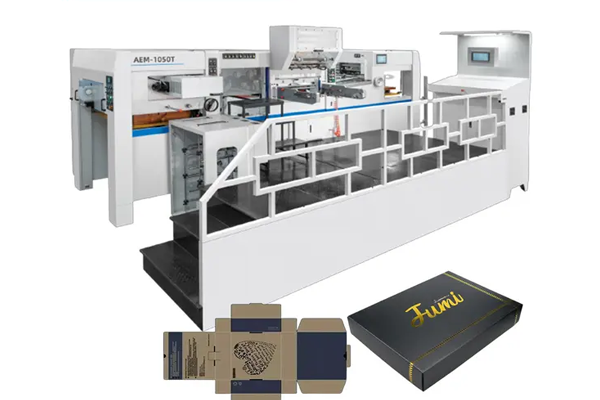
There are several types of die cutting machines, with electric die cutting machines gaining popularity due to their speed, accuracy, and efficiency. These machines operate using an electric-powered mechanism that automates the cutting process, making them faster and more consistent than manual die cutting methods.
Electric die cutting machines are particularly useful in industries where high volumes of material need to be cut with precision. They are often used to create packaging materials, labels, and even custom designs for various products. The automation provided by electric die cutting machines not only reduces the amount of manual labor involved but also increases overall productivity and consistency.
Die cutting refers to the process of using a die to cut materials into specific shapes. Dies are typically made of hardened steel and are designed to cut through various types of materials with high precision. The die is pressed into the material using a die cutting press, which applies force to cut through the material cleanly. Die cutting is widely used in industries like packaging, automotive, and textiles to create shapes such as labels, gaskets, and other custom components.
Electric die cutting machines are an advanced version of traditional die cutting machines. Powered by electricity, these machines are designed for high-speed and high-precision cutting. Unlike manual machines, electric die cutting machines automate the cutting process, significantly reducing the need for manual labor. This automation leads to faster production times, fewer errors, and lower labor costs.
Electric die cutting machines come in a variety of sizes and configurations to suit different production needs. They can handle a wide range of materials, from paper and cardboard to rubber and plastic. In addition, many modern electric die cutting machines offer features like adjustable pressure settings, digital controls, and the ability to work with multiple dies at once, making them highly versatile and efficient for various applications.
Understanding the proper terminology when discussing die cutting machines is important for both SEO and clarity in communication. Using the correct terms—such as "die cutting machine," "electric die cutting machine," and "die cutting tools"—ensures that your content is easily discoverable by search engines and accurately reflects the products you're offering.
For businesses selling die cutting machines, accurate terminology not only helps improve SEO rankings but also ensures that customers understand exactly what they are purchasing. Whether you're selling manual die cutting machines or electric models, clarity in your product descriptions can make a big difference in how easily potential buyers find your products.
Electric die cutting machines are packed with features that make them the go-to solution for many industries:
High-Speed Production: With automation, electric die cutting machines can cut large volumes of materials in a fraction of the time it would take manually.
Precision Cutting: These machines offer exceptional accuracy, making them ideal for applications where precision is key.
Versatility: Electric die cutting machines can handle a wide range of materials, including paper, fabric, rubber, and plastics.
Ease of Use: With digital controls and adjustable settings, electric die cutting machines are user-friendly and adaptable to various cutting needs.
The word "die" has an intriguing history that spans from its use in games of chance to its critical role in modern manufacturing. Whether it's a die used in gaming or a die used for cutting materials, the term has evolved but still carries the same idea: something that shapes or determines an outcome. In the world of die cutting machines, the term "die" refers to the precision tools used to shape materials, and the advent of electric die cutting machines has only enhanced the accuracy, speed, and efficiency of the process.
By understanding the roots of the word "die" and its evolution in manufacturing, businesses can better communicate the value and functionality of their die cutting machines. Whether you're interested in electric die cutting machines or other types of precision cutting equipment, it’s clear that this technology plays a crucial role in modern manufacturing processes.


